Hurricane Season in Jamaica 2027 vs. Winter Peak: Best Time to Visit
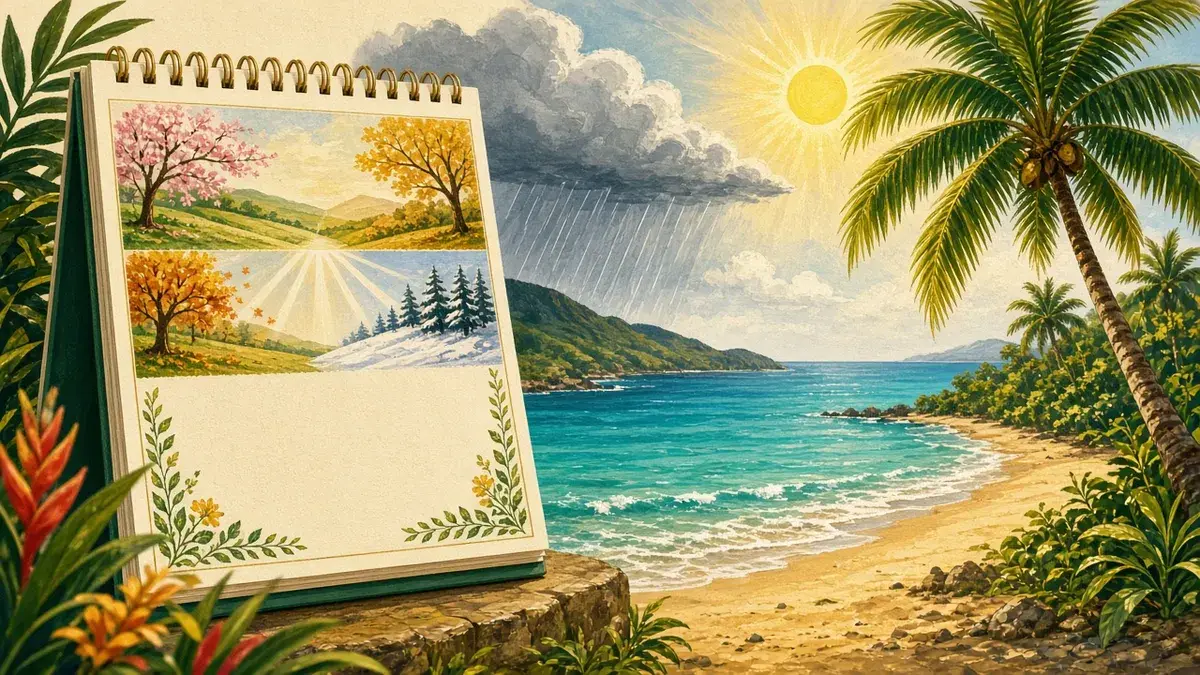
Short answer: Atlantic hurricane season in Jamaica runs from June 1 to November 30, 2027, with historical tropical storm risk peaking between mid-August and late October. If reliable sunshine matters most, the best time to go to Jamaica in 2027 is mid-December through mid-April, when winter trade winds keep humidity lower and rain showers brief.
Because tropical forecasts cannot predict individual storms months ahead, smart trip planning comes down to separating the six-month official hurricane window into realistic weather tiers. Note that jamaicatouristboard.com is an independent travel resource not affiliated with the official Jamaica Tourist Board.
Hurricane Season in Jamaica 2027: How Risk Splits by Month
Treating June through November as six identical months of bad weather is a common mistake. Rainfall and storm probability shift noticeably from early summer into autumn:
- June and July 2027 (Early Hurricane Season): Mornings stay mostly bright, with short afternoon showers mainly inland and along the northeast coast. Hotel rates drop sharply after spring break, and July sees a mid-summer dry spell in many resort towns.
- August through October 2027 (Peak Storm Window): Sea surface temperatures reach their warmest levels, increasing tropical wave activity across the Caribbean. October is historically Jamaica's wettest month, bringing the highest odds of multi-day rain or flight schedule changes.
- November 2027 (Late-Season Transition): Storm frequency drops after the first two weeks of November, though passing fronts can still produce brief heavy downpours before dry winter weather settles in by early December.
For a closer look at daily shower patterns and regional rain shadows, compare our breakdown of Jamaica's rainy season months and tips.
Best Time to Go to Jamaica 2027 by Budget and Priority
Choosing the right week in 2027 depends on whether you prioritize clear skies, lower nightly rates, or specific events such as Jamaica Carnival in April 2027.
| 2027 Window | Typical Coastal Weather | Crowd & Price Level | Best Suited For |
|---|---|---|---|
| Jan 1 to Apr 15 | Dry, 81°F to 85°F (27°C to 29°C), low humidity | Highest rates and crowds | Reliable beach weather, winter escapes, Carnival week |
| Apr 16 to May 31 | Warm, brief late-afternoon showers in May | Moderate rates, fewer crowds | Value seekers wanting dry mornings before June |
| Jun 1 to Aug 14 | Hot, humid, periodic summer showers | Moderate to lower rates (school-break spikes in July) | Family summer trips and budget resort deals |
| Aug 15 to Oct 31 | Warmest seas, peak tropical storm & rain risk | Lowest nightly resort prices | Flexible travelers with refundable bookings and insurance |
| Nov 1 to Dec 14 | Gradually drying out, breezy evenings | Value rates outside US Thanksgiving week | Quiet villa stays before December holiday pricing |
Read our full 2027 peak travel season guide and general best time to visit Jamaica calendar for holiday crowd dates around Easter and December.
Jamaica Weather in January 2027: What Visitors Actually Get
January remains one of the safest months on the calendar for sunshine. Across Montego Bay, Negril, and Ocho Rios, daytime highs average 82°F to 84°F (28°C to 29°C) with evening lows near 70°F to 73°F (21°C to 23°C).
Water temperatures hover around 80°F (27°C), calm enough for snorkeling along Seven Mile Beach and boat trips along the South Coast. A light evening cardigan helps if a cool northerly breeze moves across coastal restaurants or higher elevations near Mandeville and the Blue Mountains. Our dedicated Jamaica in January 2027 guide covers airport queue hours at MBJ and MLK weekend crowd spikes in detail.
How Different Coasts Handle Rain and Wind
Jamaica's central mountain spine blocks moisture unevenly across the island, so your chosen parish shapes what you experience:
- Negril and Montego Bay (West & Northwest): Protected from many passing eastern showers, keeping mornings sunny during summer and late spring while catching calm western sunsets in Negril.
- Treasure Beach (South Coast): One of the driest pockets on the island year-round, often staying clear even when inland parishes see afternoon thunderheads.
- Port Antonio and the Blue Mountains (Northeast): Lush rainforest terrain catches trade-wind moisture year-round, producing greener hillsides alongside noticeably higher rainfall odds.
Practical Booking Rules for June to November 2027
If discounted summer or autumn rates attract you during the 2027 hurricane window, protect your budget before paying deposits:
- Buy Travel Insurance Early: Hurricane policies only cover storms if you purchase the policy before a system becomes a named tropical storm. Check whether your policy triggers on mandatory evacuations, resort closures, or flight cancellations, or consider "Cancel For Any Reason" (CFAR) upgrades.
- Confirm Hotel Hurricane Policies in Writing: Many Jamaican resorts and private villas allow free rebooking within 12 months if a hurricane warning hits the parish, while non-refundable third-party OTA bookings may refuse cash refunds.
- Choose Direct Coastal Highways Over Remote Roads: Staying within 20 to 60 minutes of Sangster International Airport (MBJ) or Norman Manley International Airport (KIN) reduces transfer headaches if heavy rain slows mountain routes.
Before You Book Your 2027 Dates
Pick January through early April 2027 if your priority is dry beach weather and you are comfortable paying winter resort rates. Target May, early June, or late November if you want substantial hotel savings outside the August to October storm peak, and keep a refundable rate alongside our Jamaica packing checklist and free trip planner handy before locking in flights.
FAQ
When is hurricane season in Jamaica in 2027?
The official Atlantic hurricane season runs from June 1 to November 30, 2027. Historically, the highest tropical storm activity near the western Caribbean occurs from late August through October.
What is the best time to go to Jamaica in 2027 for dry weather?
Mid-December through mid-April offers the lowest rainfall and mildest humidity. For the best mix of lower hotel rates and lower storm risk, May, early June, and late November to early December are practical shoulder windows.
What is Jamaica weather like in January 2027?
January sits inside Jamaica’s winter dry season, with coastal daytime highs averaging 82°F to 84°F (28°C to 29°C), sea temperatures near 80°F (27°C), comfortable evening breezes, and minimal rainfall across Negril and Montego Bay.
Which coast of Jamaica gets the least rain during storm season?
The South Coast around Treasure Beach and southwestern beaches typically receive less annual rainfall than northeastern parishes such as Portland and the Blue Mountains.