Jamaica Rainy Season: What to Expect, Months & Tips
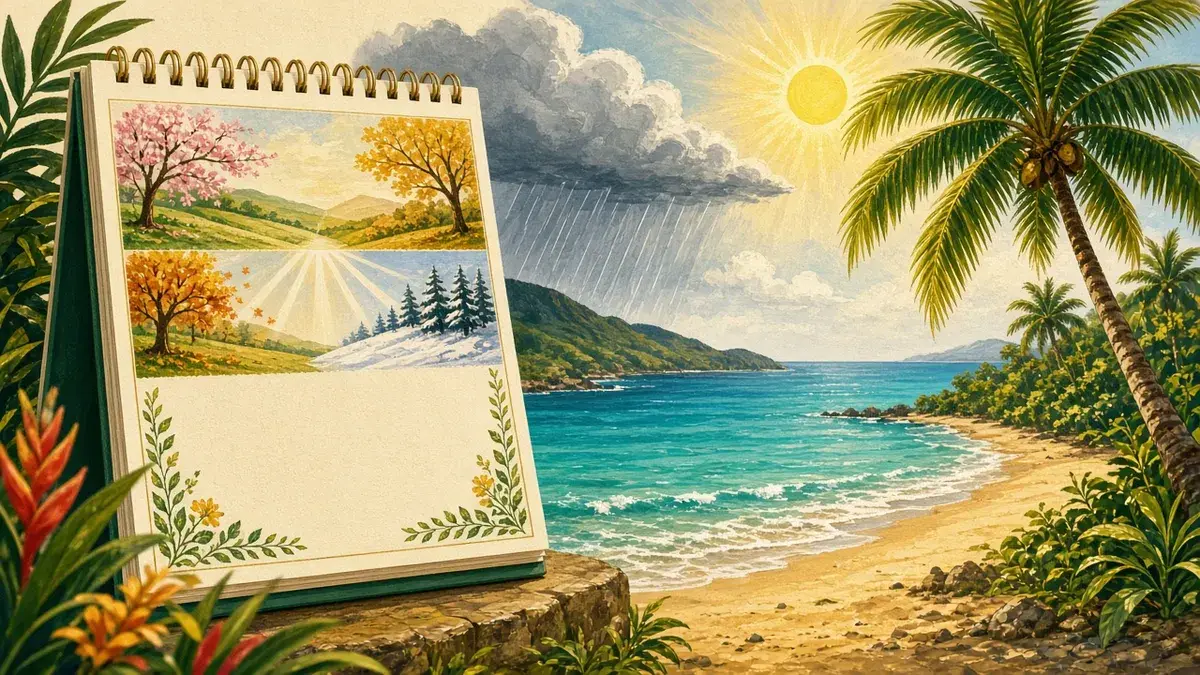
Short answer: Jamaica’s rainy season brings heavy, brief afternoon showers rather than full days of continuous gray skies. The island experiences two main rainy periods: May to June and September to November, with October typically bringing the heaviest rainfall. Most mornings remain bright and sunny, followed by sudden downpours that last one to two hours before clearing up in time for evening activities.
Planning around tropical weather requires knowing how showers fall, how different parts of the island are affected, and how to handle potential storm warnings. Please note that jamaicatouristboard.com is an independent travel resource not affiliated with the official Jamaica Tourist Board. Our guides focus on practical advice to help you prepare for real conditions on the ground.
Understanding Jamaica's Rainy Season Months
Jamaica does not have a single, uninterrupted rainy season. Instead, rainfall follows a bimodal pattern across the calendar year:
- May to June: The early rainy season brings afternoon thunderstorms and increased humidity after the dry winter months. Showers during this period tend to be localized and quick.
- July to August: A brief mid-summer dry spell usually occurs, though warm temperatures and high humidity persist. Rain can still occur, but showers are generally sporadic.
- September to November: This is the primary rainy season. October is historically the wettest month across most of the island. Tropical moisture from the Atlantic generates larger cloud systems that can occasionally bring extended multi-day rainfall.
If you are trying to balance pleasant weather with lower hotel rates, comparing seasonal trends in our guide to the best time to visit Jamaica can help you choose the right travel window.
What a Daily Rain Pattern Looks Like
For most of the rainy season, weather follows a predictable daily cycle. Mornings usually open with blue skies, calm seas, and bright sunshine. As the day heats up, warm moist air rises over the island’s mountainous interior, building thunderclouds by early afternoon.
Between 1:00 PM and 4:00 PM, short torrential downpours often fall over coastal resorts and inland hills. These rain events can bring high winds and localized flooding in low-lying roads, but they frequently end within 45 to 90 minutes. Once the rain passes, temperatures drop slightly, humidity clears up briefly, and skies open up for sunset.
Continuous, all-day rain is uncommon unless a tropical wave, depression, or storm is moving directly through the western Caribbean region.
Regional Differences Across the Island
Rainfall totals vary significantly depending on where you stay in Jamaica. The island's topography plays a massive role in local microclimates:
| Region | Rainfall Characteristics | Impact on Visitors |
|---|---|---|
| Northeast (Portland & Port Antonio) | Highest rainfall on the island; frequent trade-wind showers year-round. | Lush rainforest scenery, flowing rivers, and greener landscapes. |
| North Coast (Ocho Rios & Montego Bay) | Moderate rainfall concentrated in afternoon bursts during peak months. | Mornings are generally sunny; beach plans work best before mid-afternoon. |
| West Coast (Negril) | Fairly dry mornings with quick afternoon thunderstorms drifting from inland. | Sunsets often clear up nicely after short rain delays. |
| South Coast (Treasure Beach) | Lies in a rain shadow behind mountain ranges; driest region overall. | Arid, cactus-dotted landscapes with lower overall rainfall totals. |
Hurricane Season and Storm Safety
The Atlantic hurricane season runs from June 1 through November 30, overlapping directly with Jamaica's wettest months. The peak period for tropical storm development in the western Caribbean is from late August through October.
While direct hurricane hits on Jamaica are infrequent compared to general rain events, severe weather systems can bring high winds, marine surges, and heavy rain that causes flash flooding. If you travel during these months, take a few simple safety steps:
- Monitor local weather bulletins from the Meteorological Service of Jamaica.
- Ensure your travel insurance covers weather-related interruptions and evacuations.
- Keep digital copies of your passport, flight details, and booking confirmations accessible offline.
- Save essential contacts on your phone before arriving.
For a full list of local emergency phone numbers, consult our Jamaica emergency numbers guide. In an emergency, dial 119 for police or 110 for fire and ambulance services anywhere on the island.
Advantages of Traveling in the Rainy Season
Visiting Jamaica during the wetter months comes with notable advantages for budget-conscious travelers and outdoor enthusiasts:
- Lower Travel Costs: Resorts, private villas, and tour operators lower their nightly rates from May through November to attract off-peak travelers. Check out our strategies for Jamaica budget travel to maximize your savings.
- Fewer Crowds: Popular beaches, waterfalls, and cultural sites are far less crowded than during the peak winter season, making popular day trips feel more relaxed.
- Full Waterfalls and Rivers: Rainwater feeds inland rivers and waterfalls, creating dramatic flows at sites like Dunn's River, YS Falls, and Reach Falls.
- Lush Scenery: Tropical flora blooms vibrantly during the rainy season, making nature hikes and mountain drives visually stunning.
What to Pack for Rainy Season Travel
Packing correctly ensures sudden downpours will not disrupt your itinerary. Lightweight, quick-drying fabrics are far preferable to heavy waterproof gear, which can retain heat in tropical humidity.
Essential items include a compact travel umbrella, a lightweight breathable rain jacket, waterproof footwear or sturdy outdoor sandals with traction, dry bags for phone and camera electronics, and insect repellent. Mosquito activity increases significantly after heavy rains, so applying repellent in the early morning and late afternoon is essential.
For a detailed breakdown of everything you need for your suitcase, review our comprehensive packing checklist for Jamaica.
FAQ
When is the rainy season in Jamaica?
Jamaica experiences two rainy periods each year: a shorter peak in May and June, followed by a primary rainy season from September through November, with October usually receiving the highest rainfall.
Does it rain all day during Jamaica's rainy season?
It rarely rains all day. Most rainy days feature bright, sunny mornings followed by brief, heavy downpours in the mid-to-late afternoon that clear up within one to two hours.
Is it safe to visit Jamaica during hurricane season?
Yes, visiting during hurricane season is generally safe, provided you monitor tropical forecasts, purchase travel insurance, and follow local advisories if a storm approaches.
Which part of Jamaica gets the least rain?
The South Coast, including Treasure Beach, and parts of the southwest coast tend to receive less rainfall overall compared to northeastern areas like Port Antonio and the Blue Mountains.