Can You Use US Dollars in Jamaica? USD vs JMD, ATMs and Cards
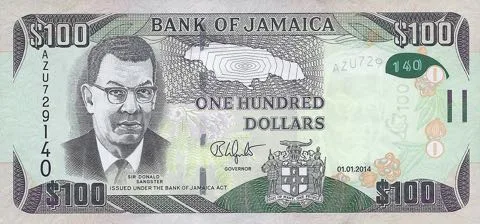
Short answer: yes, you can usually spend US dollars in Jamaica’s tourist belt, but the official currency is the Jamaican dollar (JMD). According to the U.S. Department of Commerce, the US dollar is widely accepted in tourist areas, where prices are often quoted in both currencies. You will almost always get your change in Jamaican dollars, and the implied rate at a bar, craft stall or hotel desk is often worse than a bank or licensed cambio. For day-to-day spending, Jamaican dollars are the cheaper, clearer option.
This guide is from jamaicatouristboard.com, an independent visitor resource that is not affiliated with the Jamaica Tourist Board. Exchange rates move every day; treat any conversion you see here as a planning aid, not a live bank rate. Our JMD converter uses a planning rate only.
What the official sources actually say
Visit Jamaica’s currency page is plain: “Here in Jamaica we use the Jamaican dollar as our currency.” It points visitors to licensed cambios and commercial banks in resort areas, notes that official rates vary daily, and says most Jamaican ATMs accept international cards carrying Visa, Mastercard, Cirrus or Plus logos. Banks can also give credit-card cash advances and change traveller’s cheques.
The U.S. Department of Commerce’s Jamaica business-travel note adds useful detail: the Bank of Jamaica is the sole issuer of notes and coins; current note denominations include J$50, J$100, J$500, J$1,000, J$2,000 and J$5,000; and while the Jamaican dollar is legal tender, the US dollar is widely accepted in tourist areas, with prices often shown in both currencies.
When USD is convenient — and when it costs you
- Resorts, larger hotels and some restaurants in tourist strips often quote in USD and will take US notes. That is handy for a first-night taxi tip or a hotel extra. Keep small US$1 and US$5 bills; large notes are awkward to change.
- Change is usually in Jamaican dollars. If you pay a J$1,800 bill with a US$20 note, do not expect US coins back, and do not assume you received the mid-market rate. Ask the rate before you hand the note over.
- Supermarkets, route taxis, cookshops and most places outside the tourist strip prefer Jamaican dollars. Paying in USD there, if it is accepted at all, is a good way to overpay. See our guides to route taxis and street food for how those payments usually work.
- All-inclusive extras and tipping. Many guests still tip in small USD notes. If a service charge is already on the bill, read our service charge vs tip and tipping in Jamaica guides before you add more.
ATMs, cards and cambios
An ATM that takes your card will generally dispense Jamaican dollars, not USD. That is usually the simplest way to get a transparent rate, minus whatever fee your home bank and the local machine charge. Practical habits:
- Tell your bank you are travelling so the card is not frozen.
- Use machines at banks or busy, well-lit locations, and cover the keypad.
- Decline dynamic currency conversion if the machine offers to charge you in USD; you usually get a worse rate than letting the transaction go through in JMD.
- Keep a second card in a separate place, and do not rely on a single ATM visit at the airport if a queue or an outage would leave you with no cash.
For cash you already have, use a licensed cambio or a commercial bank and compare the posted rate plus any commission. Visit Jamaica specifically recommends shopping around. Hotel desks are convenient and often more expensive. Informal offers on the street are not worth the risk.
How much cash to carry
There is no single right number, and you should not walk around with a large bundle of notes. Visit Jamaica’s own general advice is not to carry large amounts of cash. A workable pattern for many visitors is: enough Jamaican dollars for taxis, markets, tips and a day or two of meals, plus a card for hotels, bigger restaurants and formal shops, and a small stash of USD as a backup. For villa or longer stays, plan groceries and transfers in advance — you can ask us for a licensed airport-transfer quote on WhatsApp, or stock a kitchen through Jamaica Online Shop.
If you are budgeting a trip, the JMD converter and our Jamaica prices and tourist-trap guide will get you closer than a guess. Pair that with the free travel checklist PDF so the cards, tip notes and backup cash are actually in the bag.
A few things that still catch people out
- Quotes in “dollars” can mean USD or JMD. If a price sounds too low or too high, ask which currency it is.
- Old or damaged US notes are sometimes refused. Bring reasonably clean bills.
- JAM-DEX, Jamaica’s central-bank digital currency, is legal tender, but visitor adoption is limited; do not plan a holiday around it.
- Receipts help if a card charge looks wrong when you get home.
FAQ
Can you use US dollars in Jamaica?
Yes, especially in tourist areas. The official currency is the Jamaican dollar (JMD), but U.S. dollars are widely accepted in resorts and visitor districts, where prices are often quoted in both currencies. You will usually get change in Jamaican dollars, often at a weaker rate than a bank or licensed cambio.
Should I bring USD or Jamaican dollars?
Bring a small amount of USD for tips and resort extras, and use a bank or licensed cambio — or an ATM that dispenses Jamaican dollars — for everyday spending outside hotels. Visit Jamaica advises shopping around, because official exchange rates change daily.
Do Jamaica ATMs work with US debit cards?
Visit Jamaica says most Jamaican ATMs accept international cards with Visa, Mastercard, Cirrus and Plus logos. Tell your bank you are travelling, watch for fees, and keep a backup card separate from your wallet.
Where should I change money in Jamaica?
Use a licensed cambio or a commercial bank in a resort area or town. Avoid informal street offers. Compare the rate and any commission, and count your cash at the counter.