Service Charge vs Tip in Jamaica Restaurants: What to Pay
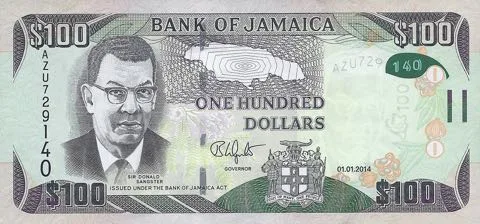
Short answer: A service charge on a Jamaican restaurant bill is an automatic fee (typically 10% to 15%) added by the establishment, which is usually pooled among kitchen staff or managed by the business. A tip is a voluntary payment left directly for your server. If a service charge is already itemized on your final bill, you do not need to leave a standard 15% tip, though leaving an additional 5% to 10% in cash directly for your server is customary for good service.
Deciphering the final check at a restaurant in Montego Bay, Negril, or Kingston can be tricky for first-time visitors. Before diving into the details of dining receipts, please note that jamaicatouristboard.com is an independent travel resource not affiliated with the official Jamaica Tourist Board.
Reading Your Jamaican Restaurant Receipt
When your server hands you the itemized bill at the end of a meal, you will usually see three distinct line items beneath the cost of your food and drinks. Understanding these line items keeps you from overpaying or accidentally under-tipping.
- Subtotal: The baseline cost of your food and beverages.
- GCT (General Consumption Tax): This is Jamaica's government sales tax, currently set at 15%. This money goes straight to the government and has nothing to do with gratuity or service quality.
- Service Charge: An automatic fee, usually 10% or 15%, added by the restaurant. This is common at sit-down restaurants, hotel dining rooms, and tourist-heavy areas.
Because GCT and service charges both appear as percentages at the bottom of the bill, tourists often confuse GCT for a tip or assume the service charge is government tax. Always check the labels carefully before calculating what to leave.
Service Charge vs. Tip: Where Does the Money Go?
The core difference between a service charge and a tip comes down to control and distribution. A service charge is a mandatory line item billed by the establishment. Under Jamaican industry standards, service charges are often pooled and redistributed among all staff members, including kitchen hands, dishwashers, and floor staff. In some cases, management retains a portion to offset operational costs.
A tip, on the other hand, is cash given directly to the specific server who looked after your table. When you leave cash on the table or hand it directly to your waiter, that money stays with them. For a deeper breakdown of tipping across different parts of your trip, check out our general guide to tipping in Jamaica.
How Much to Tip Based on Your Bill
To avoid awkwardness at payment time, follow these simple guidelines depending on how your check is calculated:
Scenario 1: Service Charge Is Included
If your bill already lists a 10% or 15% service charge, the server is already receiving a portion of that pooled fee. You are under no obligation to add another full 15% or 20%. However, if your waiter provided great service, leaving an additional 5% to 10% in cash directly on the table is standard practice and greatly appreciated.
Scenario 2: No Service Charge Is Included
If the check only shows your subtotal and the 15% GCT, no service fee has been applied. In this case, you should treat the bill like standard international dining: leave a tip of 10% to 15% for acceptable service, or up to 20% for exceptional attention.
Scenario 3: Casual & Roadside Jerk Centers
At casual street stalls, beach bars, or roadside jerk centers, service charges are rarely added. Tipping at these spots is informal. Leaving small bills—such as 200 to 500 Jamaican Dollars (JMD) or 2 to 5 US Dollars (USD)—in the tip jar or with your cook is standard etiquette. If you are exploring local spots while travelling Jamaica on a budget, keeping loose change or small bills handy makes quick dining hassle-free.
Currency and Payment Methods: Cash vs. Card
While you can easily pay for your meal and the initial bill using major credit cards at most sit-down restaurants, cash is always preferred for the tip itself. When you add a tip to a credit card slip in Jamaica, processing fees may be deducted, and it can take weeks for the server to receive their earnings through payroll.
Both USD and JMD are accepted for tips throughout the island's tourist zones. If paying cash tips, try to use smaller bills so the server does not have to hunt for change. Exchange rates fluctuate daily, so if you are trying to calculate equivalent amounts between currencies, check our quick currency converter to verify current conversion values based on Bank of Jamaica rates.
Quick Tip Checklist for Dining Out
Before paying your bill at any dining establishment in Jamaica, keep these four steps in mind:
- Look at the bottom of the receipt for the words "Service Charge" or "SC".
- Distinguish between GCT (tax) and Service Charge (pooled service fee).
- If service charge is included, add 5% to 10% cash for your server if you enjoyed the service.
- If no service charge is included, add 10% to 15% total gratuity.
If you want to quickly calculate accurate gratuity amounts while sitting at the table, feel free to use our online tip calculator during your meal.
FAQ
Is a service charge the same as a tip in Jamaica?
No. A service charge is an automatic fee added by the restaurant (usually 10% to 15%) that may be pooled among kitchen staff or retained by the house, whereas a tip is a voluntary cash payment given directly to your server.
Should I tip if a service charge is already included on my Jamaican restaurant bill?
If a service charge of 10% to 15% is already included, you are not expected to leave a full extra tip. However, leaving an additional 5% to 10% in cash directly for your server is customary if the service was attentive.
Is GCT on a Jamaican receipt considered a tip?
No. GCT stands for General Consumption Tax, which is a government sales tax. It goes directly to the government, not to the restaurant or your server.
Can I leave restaurant tips in US dollars in Jamaica?
Yes. US dollars are widely accepted for tips throughout Jamaican resort towns and restaurants, though small bills in Jamaican Dollars (JMD) are also welcome.