Tipping at Reggae Shows and Nightlife in Jamaica: A Guide
Short answer: Tipping at reggae shows and nightlife spots across Jamaica is optional but highly recommended for good service. Bartenders typically receive $1 to $2 USD (or 150 to 300 JMD) per drink round, while live reggae musicians and acoustic artists welcome small cash gratuities in tip jars or after sets. Venue cover charges pay for admission and artist fees, not tips for staff.
Please note that jamaicatouristboard.com is an independent travel resource not affiliated with the official Jamaica Tourist Board. Our guides provide clear, objective advice for navigating local customs across the island.
Tipping Live Reggae Performers and Musicians
Live music is the heartbeat of Jamaican nightlife. Whether you are listening to a full reggae band at a beach venue in Negril or enjoying an acoustic guitarist in Kingston, tipping etiquette depends on the setup of the venue.
- Beach bars and resort lounges: Musicians often play long sets with a tip jar near the stage. Dropping $5 to $10 USD (or 500 to 1,500 JMD) for an enjoyable evening shows clear appreciation.
- Street performers: If a solo musician stops by your table on the sand to play a requested song, handing them 200 to 500 JMD directly after the song is standard.
- Ticketed concerts and festivals: At major shows featuring international recording artists, you do not tip the main stage performers. However, tipping side-stage bar staff and VIP servers remains expected.
For broader guidelines on tipping tour guides, drivers, and resort workers during your trip, review our comprehensive tipping in Jamaica guide.
Bar Staff and Table Service Etiquette
Nightlife venues in tourist hubs like Montego Bay, Ocho Rios, and Negril frequently add a 10% service charge to food and drink tabs. Always inspect your bill before calculating your tip.
| Nightlife Service Role | Standard Tip Amount (USD) | Standard Tip Amount (JMD) |
|---|---|---|
| Bartender (Per Drink Round) | $1.00 – $2.00 | 150 – 300 JMD |
| Table VIP Host / Server | 10% – 15% of tab | 10% – 15% of tab |
| Restroom Attendant | $1.00 | 100 – 200 JMD |
| Parking Attendant / Valet | $2.00 – $5.00 | 300 – 700 JMD |
If a service charge is already included on a formal club tab, leaving an extra 5% to 10% in cash directly for your server ensures the money goes straight to the person who took care of your table. You can use our interactive tip calculator tool to quickly split checks and calculate appropriate gratuities on the spot.
Street Dances and Sound System Parties
Jamaican sound system culture and late-night street dances operate on distinct local customs compared to indoor nightclubs. At open-air dances, local vendors sell cold drinks from coolers, and local sound systems supply music late into the night.
At these informal street events, Jamaican dollars are essential. Handing a bartender or cooler vendor small JMD notes works best because vendors may not have quick change for large US bills. Tipping 100 to 200 JMD on a bucket of cold beers or a round of rum mixes is customary and appreciated.
If you request a song shout-out from the selector (DJ) or sound system crew, it is traditional to tip the microphone selector directly. A tip of 500 to 1,000 JMD alongside your request is appropriate for high-energy dancehall sessions.
Currency Choice for Nightlife: USD vs JMD
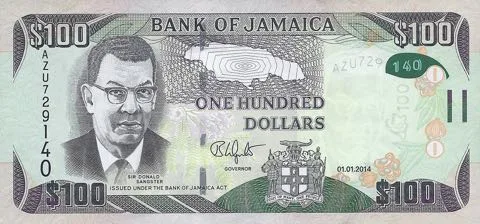
While US cash is widely accepted across Jamaica's major resort areas, using local currency for late-night entertainment simplifies transactions. Small JMD banknotes (100, 200, and 500 JMD bills) are ideal for tipping security guards, dance venue attendants, and local bar staff.
Exchange rates fluctuate daily based on Bank of Jamaica rates. Rather than guessing conversion math inside noisy clubs, check rates beforehand using our online currency converter tool or convert money at an official bureau de change during the day.
Nightlife Safety and Practical Tips
Enjoying Jamaica's live music scene requires basic situational awareness. Always keep tipping cash separate from main wallet funds so you do not expose large sums when paying for drinks at crowded bars.
- Keep small bills accessible: Tuck small tip notes in a front pocket for quick access without pulling out a full wallet.
- Confirm taxi fares early: Secure your transportation before drinking or entering late-night venues. Tip taxi drivers 10% to 15% for safe late-night transfers.
- Stay aware in large crowds: Stick to populated, well-lit party areas when moving between venues. Read our guide on whether Jamaica is safe for tourists for detailed night safety strategies.
In the event of an emergency during a night out, contact local emergency services immediately: Police at 119, or Fire and Ambulance services at 110. For website inquiries, contact our team via WhatsApp at +1 (207) 613-5240.
FAQ
Should you tip musicians at a reggae show in Jamaica?
Yes. While live bands at ticketed concerts are paid by the venue, dropping cash into a tip bucket or handing small bills to acoustic beach performers and lounge artists is widely customary.
Is US currency accepted for tipping at Jamaican nightclubs?
US dollars are accepted in resort areas like Negril and Montego Bay, but local Jamaican dollars (JMD) are far better for late-night street dances, local bars, and fast transactions.
How much do you tip bartenders at Jamaican nightspots?
A standard tip for bartenders is $1 to $2 USD (or roughly 150 to 300 JMD) per round of drinks, or 10% to 15% on a combined final bar tab.
Does a reggae event cover charge include tips for venue staff?
No. Cover charges cover admission and artist performance fees. Door fees do not go to bartenders, floor servers, or restroom attendants.